


Talk to an Adult
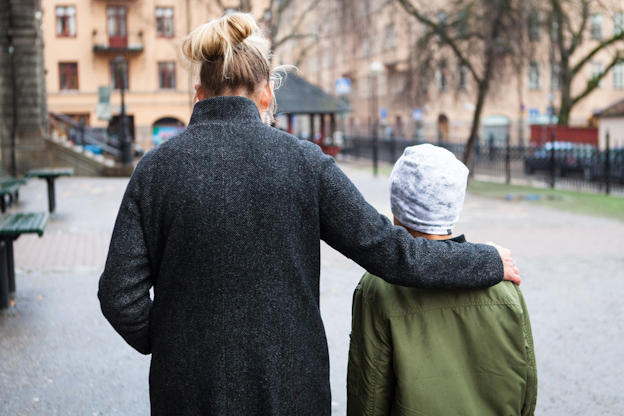
Try to speak with a trusted adult, someone close to you who will listen. This could be a parent, a sports coach, or a relative. While talking to someone your own age is a good start, it’s often not enough. An adult can take responsibility and get you the help you need.
Seek Help at School
There are adults at school who are responsible for caring about you—it’s part of their job. Maybe you can talk to your teacher? You can also always turn to the school nurse, counselor, or psychologist. They are used to helping children and young people.
If the Situation is Urgent – Call 112
If it’s in the evening and you urgently need to speak to an adult, call 112 and explain what’s happened. This is for serious situations! The person answering will make sure you get help from the police if needed.
Contact Social Services
One of the most important roles of social services is to help young people. Social services (often called "soc") will first listen to you and then try to talk with your parents to help improve your family situation. Visit their website to learn more about what they do and how to contact them.
Bris (Children's Rights in Society)
If you’re 18 or younger, you can contact Bris (Children’s Rights in Society). You can call them at 116 111, or reach out via email or chat. Bris counselors are experts at giving advice and support to children who are struggling.
Jourhavande Kompis (Friend on Call)
Jourhavande Kompis is a chat open to everyone up to 25 years old. You can turn to them to talk about anything. The people answering are young themselves, not adult professionals.
Your Rights at School
You can contact the Child and Student Ombudsman if you are being treated poorly or bullied by other students or adults at school.
DO (Discrimination Ombudsman)
Contact the DO if you have been discriminated against by, for example, a teacher. Discrimination means you’ve been treated unfairly or insulted. This could be due to your gender, a disability, or being born in another country.
IVO (Health and Social Care Inspectorate)
If you’re unhappy with your contact with social services or healthcare, or if you don’t live at home, you can contact IVO’s Children and Youth Line. Ask about your rights or talk about something that is wrong in your situation.
Sjukvårdsupplysningen 1177 (1177 Helpline)
If you’re feeling unwell and don’t know who to contact, you can call 1177. The adults will listen to your problems and help you find the right place to get help.
Helpline – Emergency psychological support
The Helpline service via 1177 offers psychological support if you are in acute distress.
UMO.se – Youth Health Center Online
On UMO, you can find answers to questions about sex, health, and relationships. UMO is a website for everyone aged 13 to 25.
ECPAT Support Line for Children and Youth
If you or someone you know is being sexually exploited, you can reach out here.
Brottsofferjouren (Crime Victims Support, for young people)
For children and young people who have been victims of crime, witnessed a crime, or are close to someone affected by crime.
Maskrosbarn
For you who have a parent who drinks too much, uses drugs, or suffers from mental health issues.
Barnens asylrättscentrum (Children’s Asylum Rights Center)
For refugees who need legal help with seeking asylum.
Children’s Asylum Rights Center
Föreningen Storasyster
For those who have been victims of rape or sexual abuse and need help and support.
Tjejjouren (Girls’ Help Line - Roks)
If you are a young girl and need support.
Polisen (Police)
Call 114 14 to reach the police when it’s not an emergency. You can call them to ask questions or report a crime.
Barnombudsmannen (The Children’s Ombudsman)
Our phone line (020 23 10 10) is for children and young people under 18 years old. Here, you can learn about your rights according to the UN Convention on the Rights of the Child and how to get help.
Självmordslinjen Mind (Suicide Prevention Hotline)
The Mind association runs the Suicide Prevention Hotline, working for mental health and supporting people in crisis. If you have thoughts about taking your own life or know someone who does, you can call, chat anonymously, or ask questions via email.
Phone: 90 101